The world of search engine optimization is constantly changing, and businesses must adapt to maintain visibility and growth. In January 2026, Google introduced several updates affecting organic search, AI integration, and local search visibility. Companies offering Digital Marketing Services in the USA need to understand these changes to maximize ROI and remain competitive. Staying informed about Google’s core update in January 2026, AI SEO optimization strategies, and Search Console enhancements can directly improve traffic, lead generation, and overall online performance.
Understanding the Latest Core Updates
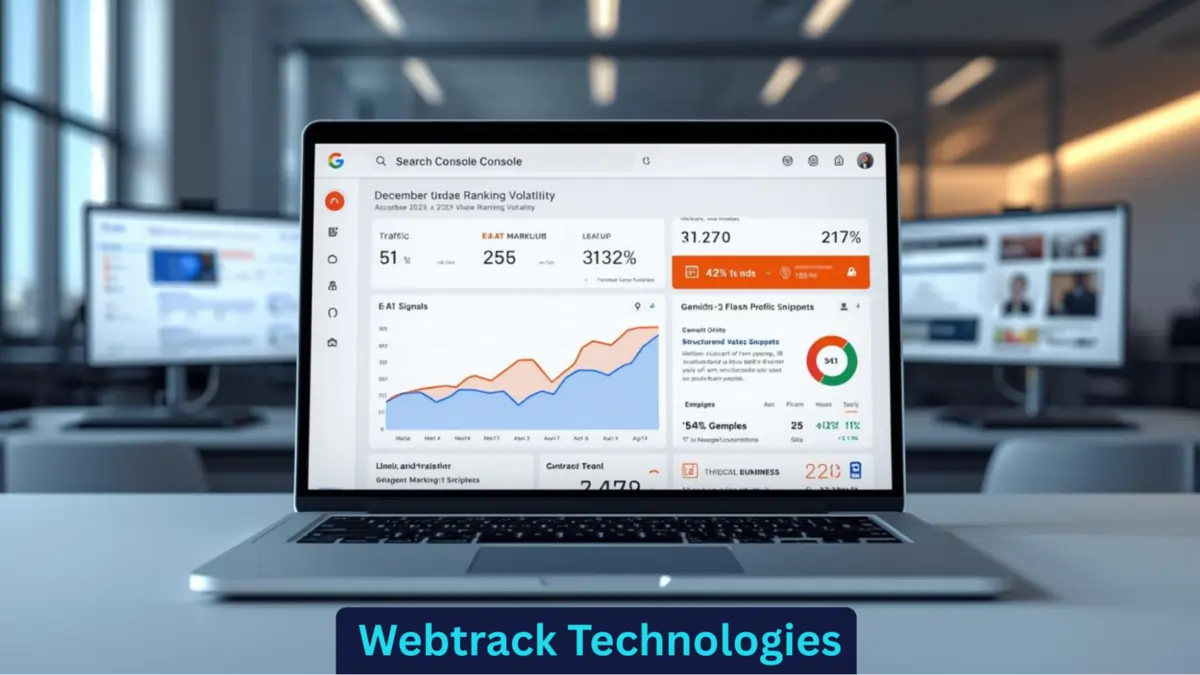
Google’s December 2025 core update lasted eighteen days and caused significant ranking shifts across industries. Many websites, especially news publishers, experienced traffic drops ranging from fifty-one percent to twenty-seven percent. Pages that aligned closely with user intent and offered comprehensive, authoritative content maintained higher rankings. Monitoring E-E-A-T signals, such as backlinks, author credibility, and content accuracy, helps businesses recover from volatility and secure stable organic visibility.
Key Observations from the Update
- Content Relevance: Pages meeting user intent performed best.
- Depth of Information: Detailed content fared better than superficial articles.
- Authority Signals: Author credibility and external references reinforced trustworthiness.
Businesses should audit existing content, update outdated material, and ensure clarity to maximize the impact of these updates. This approach improves rankings while strengthening brand authority in search results.
Leveraging AI in Modern SEO
Google’s AI initiatives, including Gemini 3 Flash, have introduced AI-powered snippets, article overviews, and visual local results. These changes highlight the need for AI-compatible strategies while maintaining human readability. Implementing structured data, concise content summaries, and multimedia elements ensures content is visible in AI-generated results. By balancing AI-focused optimization with traditional SEO, businesses can maintain competitive rankings and enhance user engagement across all search platforms.
Practical Recommendations for AI Optimization
- Structured Data: Ensure search engines interpret your content effectively.
- Content Summaries: Create concise overviews for AI snippet generation.
- Media Optimization: Include images, videos, and infographics to boost engagement.
Companies applying these strategies improve the likelihood of appearing in featured snippets, enhancing visibility and authority for potential clients.
Enhanced Search Console Insights
Google Search Console now features AI-powered configurators, weekly and monthly performance views, and social channel integration in the Insights report. These updates allow businesses to monitor user engagement, indexing issues, and content performance more effectively. Utilizing these tools helps identify underperforming pages, optimize indexing, and refine SEO strategies based on real data trends, improving organic search visibility and maintaining long-term growth.
Recovering from Ranking Volatility
The December 2025 core update caused sudden ranking fluctuations for many sites. Businesses experiencing drops can stabilize performance through a combination of content audits, internal linking optimization, and technical SEO improvements. Updating underperforming pages, aligning content with searcher intent, and reinforcing authority signals mitigate negative impacts. Proactive adjustments ensure that rankings remain competitive and user engagement remains strong even during algorithm changes.
Optimizing Content for AI Without Losing Readability
Despite AI’s growing presence, Google emphasizes that AI-focused optimization aligns with traditional SEO principles. High-quality content, clear structure, and trustworthy sources are essential. Headings, subheadings, bullet points, and summaries enhance readability for both humans and AI. Incorporating author credentials, references, and accurate information boosts authority while ensuring content is valuable, credible, and engaging, supporting better rankings in both traditional and AI-driven search results.
Managing Local Search and Business Profiles
Google continues refining local search features and Google Business Profiles. Review monitoring, timely responses, and accurate profile information are essential to maintain credibility and visibility. Updating business hours, services, and location-specific content strengthens local SEO signals. These practices ensure higher rankings in Google Maps and local search results, attracting nearby customers and reinforcing brand authority within the targeted geographic market.
Technical SEO and JavaScript Best Practices
Google updated its guidance for JavaScript heavy websites, emphasizing proper canonical usage, avoidance of noindex tags on key pages, and accurate rendering of dynamic content. Conducting regular audits, validating structured data, and monitoring indexing ensures consistent visibility. Optimizing mobile responsiveness, site speed, and technical performance supports both AI and traditional search, while minimizing potential ranking drops caused by algorithm updates or technical errors.
Multimedia and Interactive Features
Visual and interactive content has become increasingly important in search results. AI-generated snippets now favor videos, infographics, and interactive tools that enhance engagement. Embedding video content with transcripts, providing visually appealing graphics, and adding interactive calculators or maps increases dwell time and user satisfaction. Multimedia content not only engages audiences but also signals quality to search engines, improving rankings and click-through rates.
Reputation Management Strategies
Online reputation remains a critical factor in search visibility. Google’s AI-powered local reviews emphasize the need for proactive monitoring. Conducting regular audits, responding promptly to reviews, and encouraging authentic positive feedback builds trust. Monitoring AI-driven changes ensures businesses maintain credibility, protect brand authority, and attract potential clients through both organic search and local search features.
Aligning Paid and Organic Marketing
Updates to organic search can affect paid campaigns. Cross-channel analysis, consistent keyword alignment, and ongoing performance monitoring help businesses maximize ROI. Adjusting ad campaigns in response to organic performance, audience insights, and trending search behavior ensures efficient resource allocation. Integrating paid and organic strategies strengthens brand visibility, supports lead generation, and reinforces credibility in competitive markets.
Advanced Analytics for Better Decision-Making
Enhanced analytics help track AI interactions, performance trends, and user behavior. Monitoring high-value pages, snippet clicks, and visual result interactions allows marketers to optimize content effectively. Data-driven adjustments improve technical SEO, content relevance, and engagement metrics. Leveraging these insights ensures businesses respond proactively to Google updates and maintain competitive positioning across all digital channels.
Maintaining Technical Excellence
Regular technical audits prevent issues caused by core updates or AI indexing changes. Optimizing server response times, ensuring mobile usability, and validating structured data are essential. Fixing broken links, improving crawl efficiency, and maintaining secure architecture enhances website performance. Technical stability supports all SEO and AI strategies, ensuring continuous visibility, improved rankings, and a seamless user experience across devices.
Emerging Keywords to Target
Monitoring trends and integrating emerging keywords helps maintain relevance in search results. High-value terms such as AI SEO optimization, Google core update January 2026, and related service offerings should be included naturally in content. By identifying opportunities for relevant search terms, businesses can attract targeted traffic, increase engagement, and strengthen authority within their niche.
A trusted IT Services Company in the USA can leverage these insights to optimize content, improve technical performance, and maintain a strong local and organic search presence.
Frequently Asked Questions
- How does the December 2025 core update affect small businesses?
Small businesses may experience fluctuations in rankings. Performing content audits and enhancing E-E-A-T signals can mitigate losses and improve visibility. - Should I optimize my website specifically for AI search?
Yes, AI SEO optimization aligns closely with traditional SEO. Focus on high-quality content, structured data, and user-friendly design. - How often should I monitor my Google Business Profile?
Weekly monitoring is recommended to update information, respond to reviews, and ensure accurate visibility in local search results. - Can multimedia content improve rankings?
Yes. Videos, infographics, and interactive tools enhance engagement, dwell time, and user experience, positively influencing rankings. - How can I recover from ranking volatility after a core update?
Conduct technical and content audits, update underperforming pages, optimize internal links, and reinforce authority to regain stability.
Conclusion
Adapting to Google’s frequent updates, AI-driven search features, and evolving SEO practices is critical for sustained success. Implementing structured content, multimedia strategies, and proactive reputation management ensures a strong online presence. At Webtrack Technologies, we provide expert guidance and comprehensive solutions, helping businesses achieve measurable growth and authority. By focusing on positive reviews and data-driven strategies, companies can maximize visibility, trust, and overall digital performance.